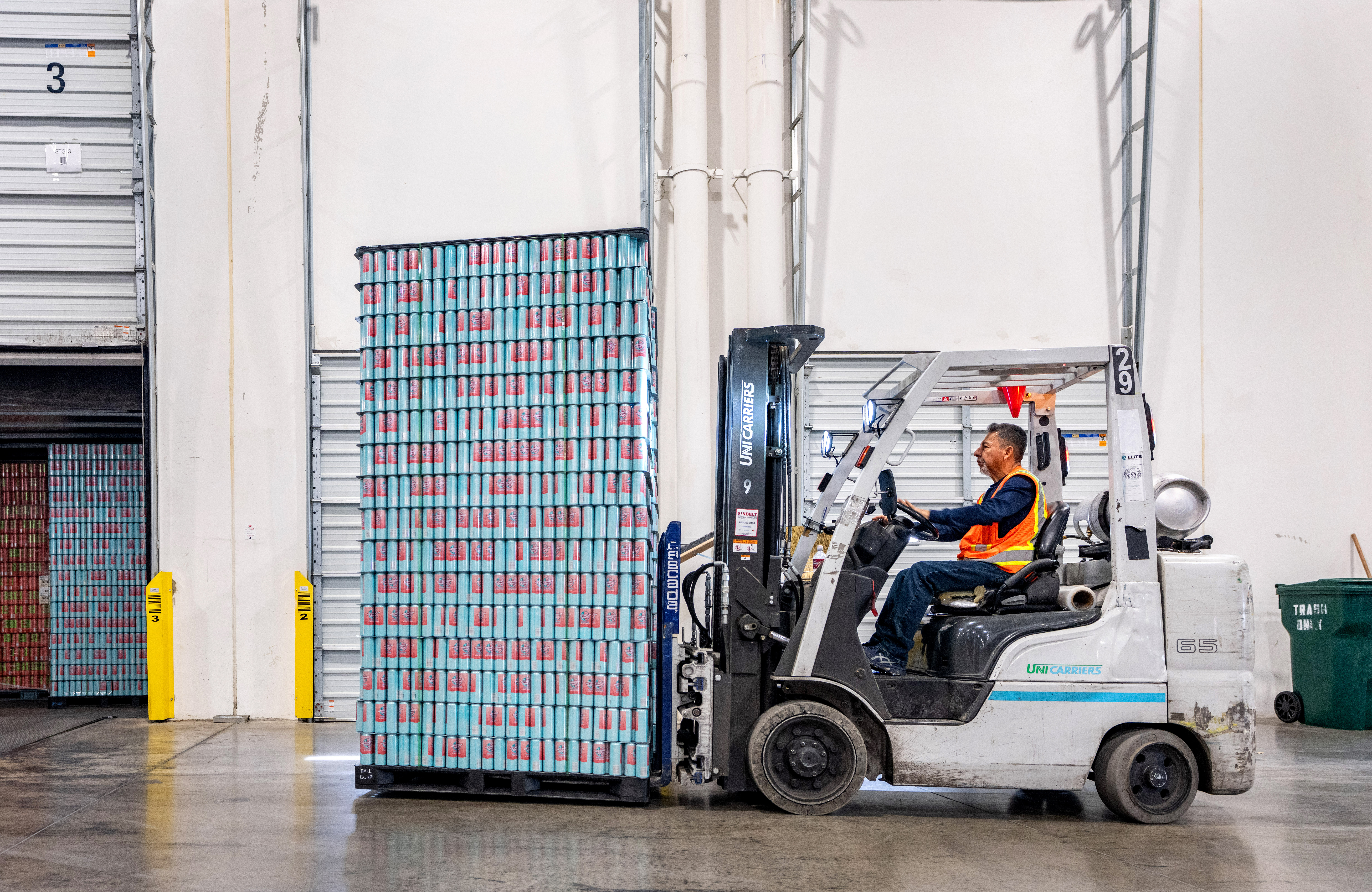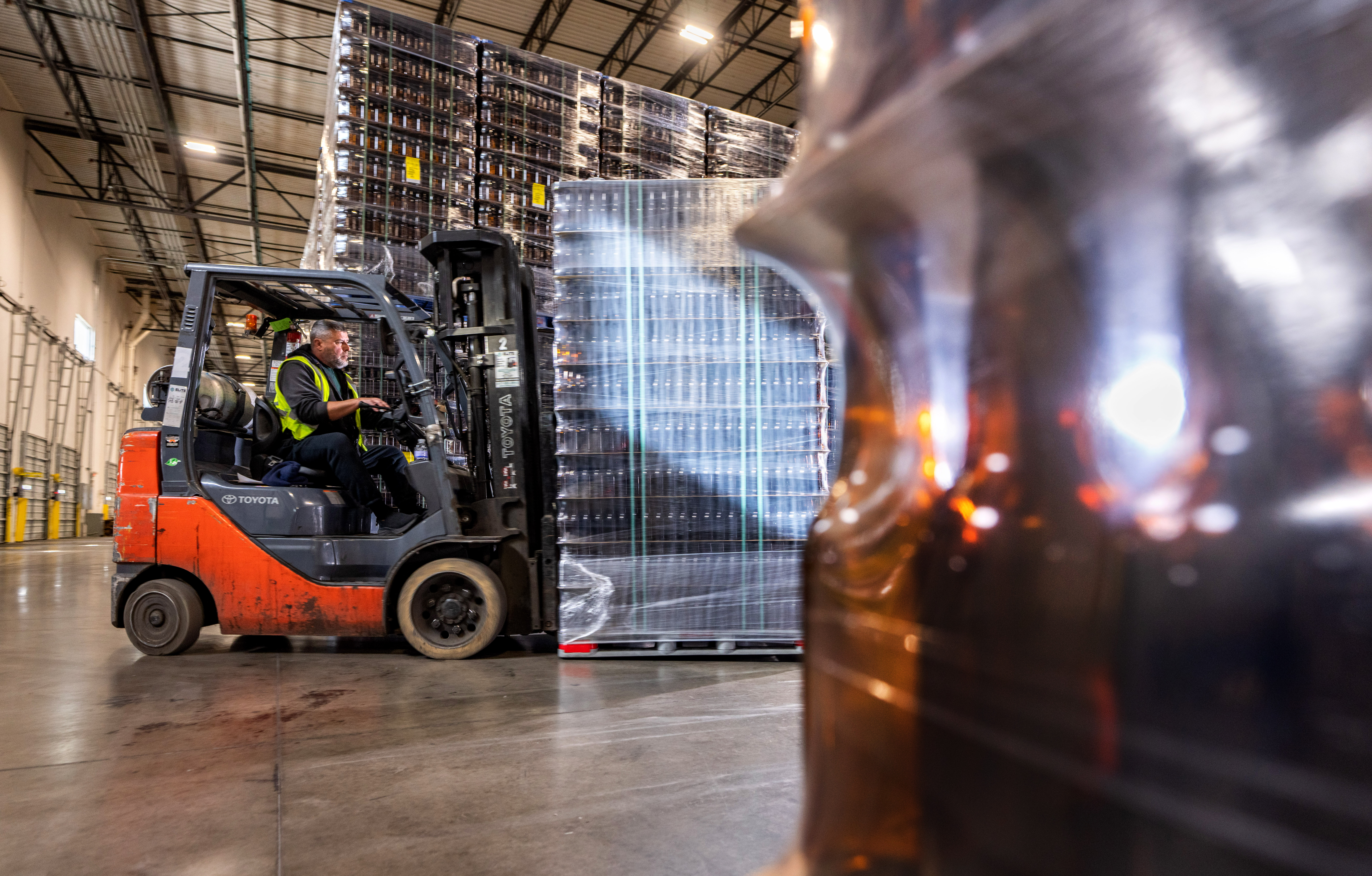
The Common Mistake: Evaluating Warehouses Like Real Estate
When operations teams go to market for 3PL warehousing, they usually start with the same list of questions: How many square feet do you have available? What are your racking configurations? Where are you located? What’s the rate per pallet?
These are important questions, but they’re all inputs, not outcomes. A warehouse isn’t a static storage unit. It’s an operational system with people, technology, and processes running inside it. The brands that win in competitive markets have figured this out. They’re not choosing a warehouse — they’re choosing a team.
When evaluating a 3PL warehouse partner, the five criteria that actually matter are: team quality and communication standards, warehouse management technology, industry certifications, the ability to scale capacity on demand, and co-located services that eliminate extra vendors and transportation legs. Execution is almost always the defining factor.
The 5 Questions That Actually Matter
Before you sign a warehousing agreement, get clear answers to five key questions.
1. Who is the team behind the operation and how do they communicate?
Your 3PL partner’s people are your supply chain. Ask about tenure, training standards, and what your day-to-day communication looks like. Will you have a dedicated customer service contact? What’s the escalation path when something goes wrong? How quickly do they respond to issues?
2. What warehouse management technology do they run?
A best-in-class WMS is the backbone of inventory accuracy, order velocity, and real-time visibility. Ask specifically: What platform do they use? Can you access live inventory data? Do they offer EDI integration? What does reporting look like? If their answer is a spreadsheet or a system they built themselves in 2009, be cautious.
3. What certifications do they hold?
For food, beverage, health and beauty, or any regulated product category, certifications are non-negotiable. Depending on your product type, look for the relevant BRCGS, GFSI, HACCP, USDA, and GMP certifications. These aren’t just pieces of paper; they represent auditable operational standards.
4. Can they actually scale with you?
A warehouse partner that’s great at today’s volume but can’t flex for a seasonal spike, a new retail program, or an acquisition is a liability. Ask them to walk you through how they’ve handled volume surges for other clients. What’s their overflow plan? How far in advance do they need to know about a volume change? Scalable capacity is what lets you chase new business with confidence, instead of worrying whether your supply chain can keep up.
5. Do they offer co-located services that eliminate extra vendors?
Here’s a cost that rarely shows up on an RFP: the coordination tax of managing separate warehousing, packaging, and transportation vendors. Each handoff is a chance for error, delay, and added freight cost. When packaging and warehousing are run by the same team in the same facility, you eliminate multiple transportation legs, compress lead times, and have one accountable partner when something goes wrong.
Red Flags to Watch For in RFP Responses
Not every 3PL will tell you what they can’t do. Watch for these warning signs during evaluation:
- Vague answers about technology: If they can’t name their WMS and describe its capabilities, visibility into your inventory will be a problem.
- No dedicated point of contact: “Our team will handle it” usually means nobody owns it. Ask who you’ll be able to call on day one.
- Capacity that’s already stretched: A warehouse running at 99% utilization has no room to grow with you. Ask about current occupancy and their plan for future growth.
- Certifications that don’t match your product: If your retail partners or product category demands certain standards, ensure your partner has a documented history of achieving them.
- Resistance to references: Any confident 3PL will put you in touch with current clients. If they hesitate, ask why.
The Right Partner Changes What’s Possible
Choosing a 3PL warehouse partner is one of the highest-leverage operational decisions a growing brand will make. Get it wrong and you’re managing exceptions, chasing shipments, and losing customers. Get it right and your supply chain becomes the reason you can enter new markets, take on new retail programs, and grow without operational drag.
The questions above aren’t meant to be a gotcha. They’re the baseline for what a real partnership looks like. If the conversation is going well, those questions should have straightforward, confident answers.
Woods Distribution was built to be that kind of partner. Our best-in-class teams, proven technology, full-service capability, and the scalable capacity to grow alongside you.