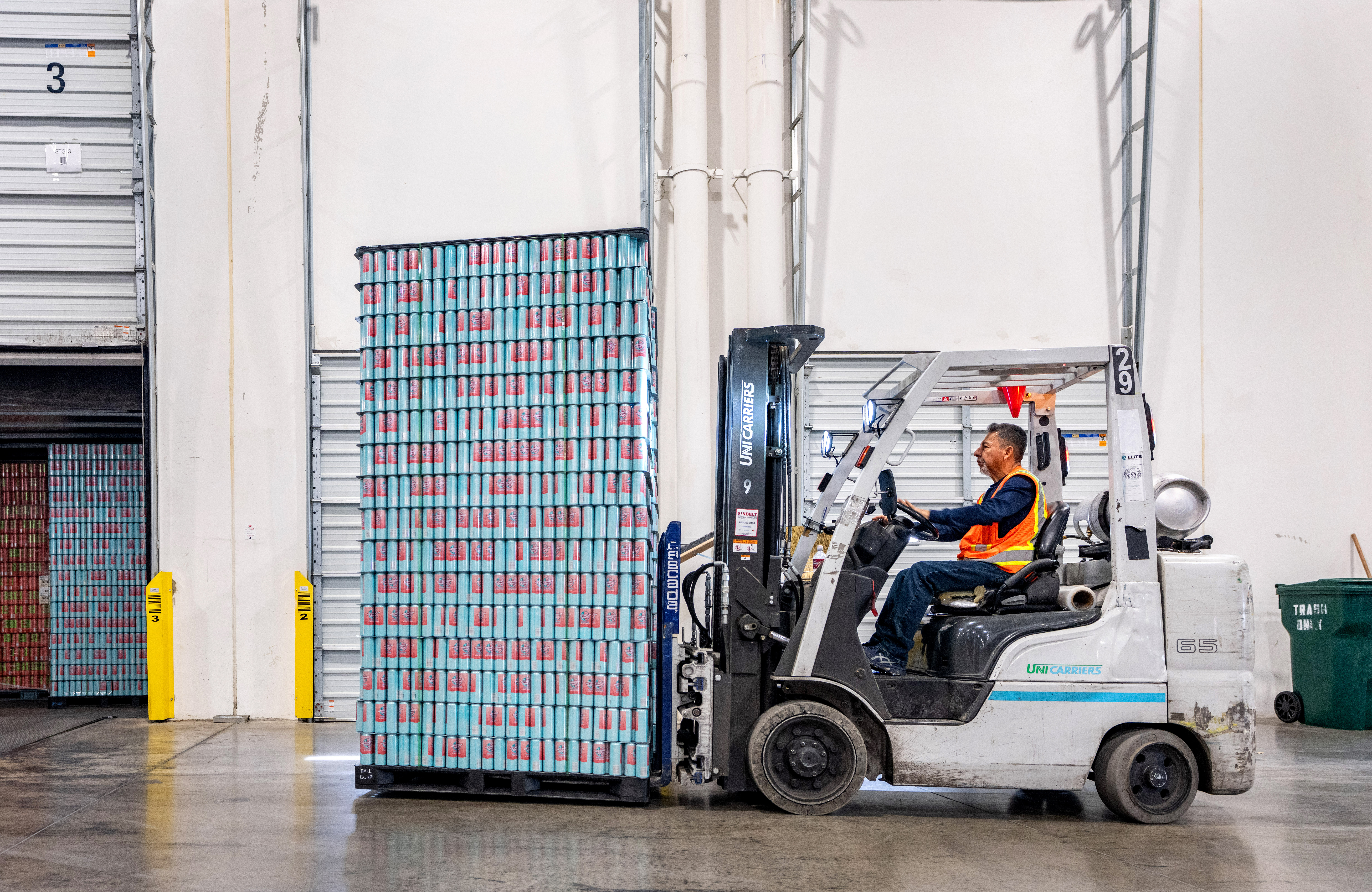
As supply chains become more complex and customer expectations continue to rise, many companies are rethinking how—and where—their products are prepared for market. One question we hear often is: what is co-packing, and is it the right solution for our business?
Co-packing, short for contract packaging, is a specialized logistics service where a third-party provider assembles, packages, or prepares products on behalf of a brand. While it may sound simple, co-packing plays a critical role in improving speed to market, controlling costs, and maintaining consistency across distribution channels.
What Is Co-Packing?
At its core, co-packing comes down to outsourcing packaging operations to a trusted logistics partner. Instead of packaging products in-house, companies rely on co-packers to handle tasks such as:
- Multi-pack and variety pack assembly
- Kitting and promotional bundling
- Retail display and shelf-ready packaging
- Labeling, re-labeling, and compliance packaging
- Food-grade and consumer-ready packaging
Co-packing is commonly integrated directly into a distribution environment, allowing products to move seamlessly from storage to packaging to outbound shipping, without unnecessary handling or transportation.
Why Companies Use Co-Packing Services
Co-packing is not just about labor savings. It's about efficiency, flexibility, and execution quality. Best-in-class providers design co-packing operations to scale with demand, adapt to seasonal changes, and meet strict retailer and regulatory requirements.
Some of the most common reasons companies turn to co-packing include:
Faster Speed to Market
Co-packing allows brands to respond quickly to promotions, product launches, or retail program changes without reconfiguring internal operations.
Reduced Capital Investment
Packaging equipment, space, and labor can require significant upfront investment. Co-packing converts those fixed costs into variable ones, improving cash flow and reducing risk.
Labor and Process Expertise
Packaging is detail-driven work. Experienced co-packing teams follow standardized processes, quality checks, and productivity benchmarks that reduce errors and rework.
Retail and Compliance Readiness
From barcode placement to food-grade handling, co-packers stay current on packaging requirements so products arrive retail-ready and compliant.
The Advantage of Integrated Co-Packing
One of the biggest benefits of co-packing comes when it's integrated directly with warehousing and transportation. When packaging is handled in a separate facility, products often incur additional handling, freight costs, and delays.
An integrated model eliminates those inefficiencies. Inventory is stored, packaged, and shipped from one coordinated operation, improving visibility, accuracy, and turnaround time. This approach reduces touchpoints, simplifies vendor management, and creates a more resilient supply chain.
At Woods, co-packing is designed to work hand-in-hand with distribution operations. Our teams support everything from high-volume production runs to customized, short-term programs—without disrupting the flow of inventory.
Is Co-Packing Right for Your Business?
Not every company needs co-packing, but many benefit from it sooner than expected. If you're asking about co-packing and whether it fits your operation, consider the following questions:
- Do you run frequent promotions, bundles, or seasonal SKUs?
- Are packaging labor costs increasing?
- Is your operation becoming difficult to staff?
- Is packaging slowing down order fulfillment or shipping timelines?
- Are you outgrowing your current facility?
If you answered yes to any of these, co-packing may be a strategic advantage rather than an operational expense.
Co-Packing as a Growth Strategy
Co-packing isn't just a solution for large enterprises. Many growing brands use it as a bridge between early-stage operations and full-scale manufacturing or distribution expansion. It provides flexibility during periods of growth, product experimentation, or market expansion—without locking companies into long-term infrastructure decisions.
Understanding what is co-packing is ultimately about understanding how your products move from production to the customer. When packaging becomes a bottleneck instead of a strength, it may be time to consider a partner built to handle it efficiently.